

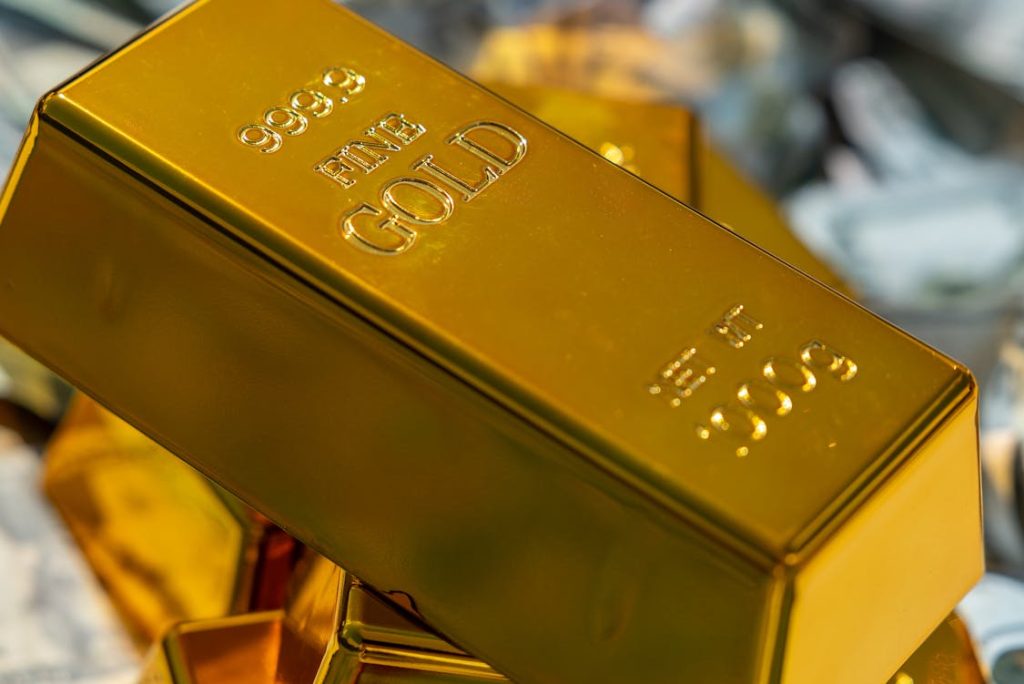
Gold has fascinated humans for millennia and it still pulls attention from wallets and minds around the globe. Its appeal comes from a mix of physical traits, cultural weight, and market forces that push demand up and down with the tides.
People buy gold for many reasons ranging from decorative use to portfolio insurance and central bank reserve policy. The result is a metal whose worth is not just metal but a story told by history, money, and human preference.
Physical Properties And Rarity
Gold is dense, malleable and does not corrode which gives it an edge over many other metals when it comes to long term use and preservation. A tiny nugget can be hammered into a thin sheet or drawn into fine wire while still keeping its shine and integrity, so jewelers and machinists prize it for craft and form.
The total amount of gold above ground is limited which creates a scarcity that traders and collectors factor into price and value assessments. That scarcity mixes with desirable physical traits to create a baseline demand that few other commodities enjoy.
Historical And Cultural Significance
People have prized gold across continents and centuries making it a symbol of wealth, power and ceremony in religion and royalty. Many cultures have stored fortunes in gold objects that survive as artifacts and that keep a cultural memory of value across generations.
Those habits shape modern tastes and buyer behavior because a coin or pendant can carry both aesthetic and historical worth. As a result gold often enjoys a premium that is partly sentimental and partly monetary.
Monetary Role And Central Bank Demand
For a long period gold functioned as the bedrock for monetary systems and that legacy still influences policy and reserves. Many central banks hold gold as a reserve asset to diversify their holdings and to signal confidence to markets and citizens.
When nations add to their reserves the market notices and prices can move to reflect shifts in official demand. These official flows create a steady and sometimes stealthy source of buying pressure in financial markets.
Jewelry And Consumer Use

A large slice of annual gold demand comes from jewelry which connects personal taste to broader economic cycles. Weddings, gifts and status goods often drive consumers to buy coins and ornaments even when markets are choppy.
Cultural customs and fashion trends can boost demand in certain regions at particular times creating seasonal and geographic patterns. Jewelry demand ties physical gold to human ritual and daily life in a way that is hard to replicate by paper assets.
Industrial And Technological Applications
Gold plays a role in electronics, dentistry and specialized industrial uses because it conducts electricity and resists corrosion at tiny scales. Even though overall industrial use is a smaller share of demand compared with jewelry and investment, high tech applications rely on very pure and precise gold materials.
Advances in medical devices and space technology sometimes increase niche demand that markets must absorb. Small adjustments in industrial consumption can therefore nudge the price when other sources of demand are steady.
Investment Demand And Safe Haven Appeal
Investors flock to gold for diversification and as an insurance policy against market shocks and currency swings, a role that becomes especially visible in turbulent times. Exchange traded funds, coins and bars provide varied entry points for buyers with different horizons and strategies.
When fear rises in equities or when currencies lose purchasing power due to inflationary pressures investors often add weight to gold holdings. That behavior creates a feedback loop where price moves may attract more buyers who want refuge or exposure.
For convenience and verified authenticity, many investors research the best place to buy gold online before making their first purchase.
Mining Supply And Production Costs
Bringing gold to market starts in the ground with mines that require capital, labor and logistics which all shape the marginal cost of production. New discoveries are rarer than they once were and many existing mines face depletion which can slow supply growth and support higher prices.
Mining companies respond to price signals by increasing output or trimming costs but that response has lag times measured in years. The gap between short term demand shifts and slower supply adjustments can produce notable price swings.
Market Dynamics And Price Drivers
Gold trades in a global market where futures, spot trades and physical deliveries interact to set price through supply and demand signals. Currency moves, interest rates and macro policy shifts are watched closely because they affect the opportunity cost of holding gold relative to other assets.
Speculative flows and leverage can amplify short term moves making volatility part of the landscape for traders and holders. Liquidity, regulation and market structure all influence how quickly price reacts to new information.
Psychological And Social Factors
Human nature feeds into gold demand through fear, desire and the social meaning attached to ownership and display. Herd behavior can push prices higher when people see others piling into bars or coins and want to avoid missing out.
Stories, myths and family traditions pass along a preference for gold that shapes buying patterns in ways that numbers alone cannot fully explain. Those social currents combine with technical market forces to form a complex and often unpredictable demand picture.