

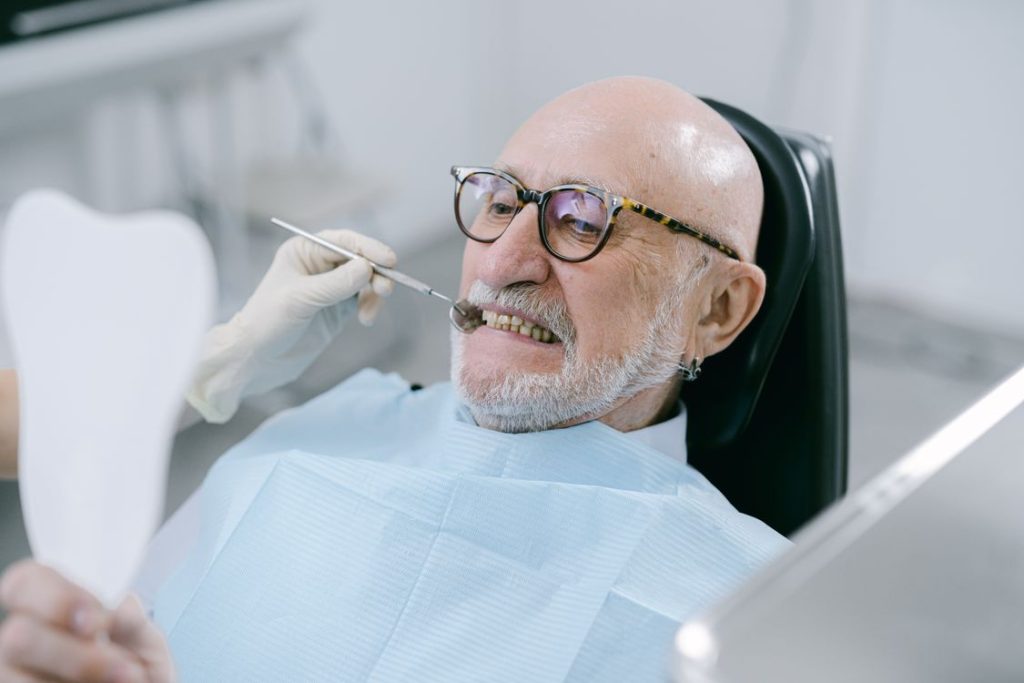
There’s a belief, still common among older adults, that dental implants are for other people. Younger people. Healthier people. People whose bones haven’t started to thin. For decades that assumption steered seniors toward dentures by default, often before anyone bothered to check whether it was true.
A 2025 systematic review and meta-analysis took a hard look at one of the most-cited reasons behind that hesitation, osteoporosis, and its conclusion undercuts a long-standing piece of conventional wisdom.
What the meta-analysis found
The review pooled comparative studies of implant patients with and without osteoporotic conditions, then lined up their outcomes. The headline result: osteoporosis on its own did not measurably worsen implant success.
Across the studies with usable data, there was no significant difference in survival between patients with osteoporosis and healthy controls, and failure rates ran comparable between the groups. Pooled together, the relative risk of failure for osteoporotic patients came out essentially even with everyone else, close enough that the difference washed out statistically. The authors put the practical takeaway bluntly: osteoporosis by itself shouldn’t be treated as a reason to rule someone out of implant therapy. That’s a meaningful move away from the older, more cautious default, and it lines up with what a growing number of surgeons have reported from their own chairs.
Why the old assumption stuck
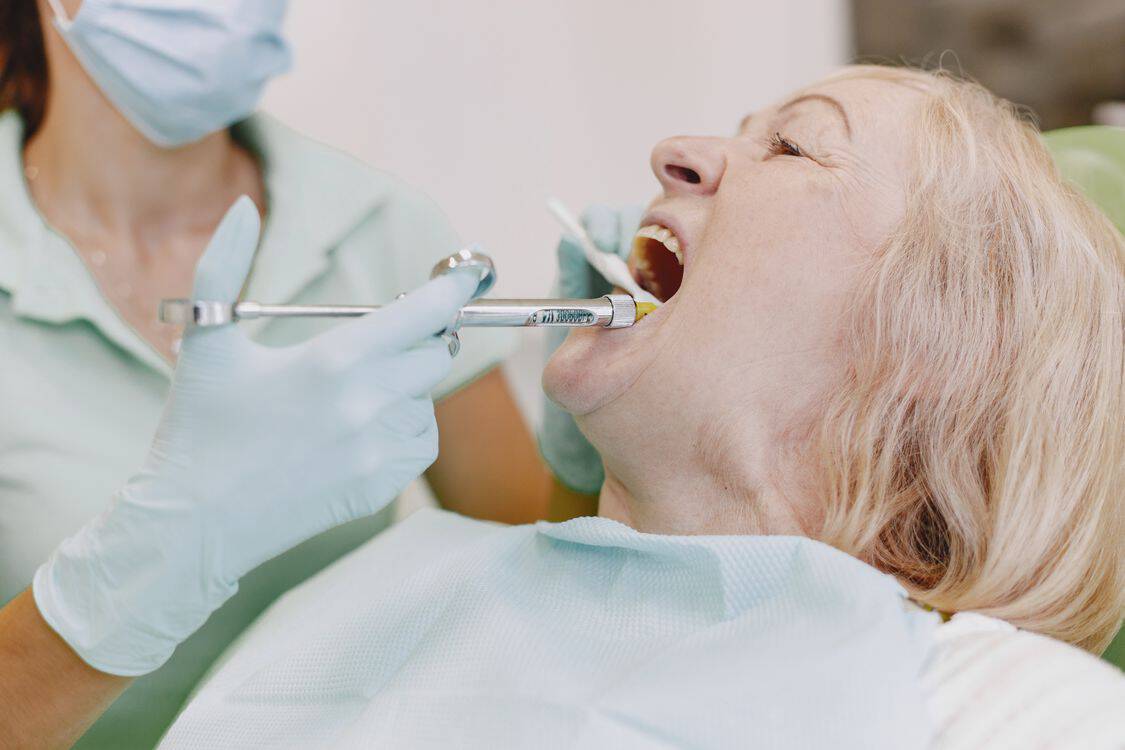
The intuition behind the myth makes sense. Osteoporosis means lower bone density, implants rely on bone for anchorage, so the two seemed destined to clash. For a long time that logic went mostly untested at any real scale, so it hardened into a rule of thumb that outlived its evidence.
The reason it doesn’t play out as expected appears to sit in the jaw itself. The bones of the jaw differ from the hip and spine in their origin, blood supply, and remodeling behavior, which may shield them from the systemic effects of osteoporosis more than anyone expected. The review was careful, and its caveats carry weight. The pool of high-quality studies was limited, and it flagged one genuinely important distinction: the medications used to treat osteoporosis, particularly long-term antiresorptive drugs, bring their own considerations that call for individual assessment. So the finding isn’t a blanket green light. It’s a correction to an overly broad red one. Osteoporosis alone isn’t the barrier it was long assumed to be, but the full medical picture still needs a real look.
What this means for the denture default
For seniors weighing implants against dentures, this reframes the conversation. The question moves off a bone-density diagnosis on its own and onto the factors that actually decide things: overall health, medications, the state of the jaw at the implant site, and personal goals.
That matters because the denture default carries costs of its own. Removable dentures don’t stimulate the jaw the way tooth roots do, so the bone underneath keeps shrinking, which is part of why long-term denture wearers watch their fit deteriorate and their facial structure change over the years.
An older adult who was told years ago that thinning bones ruled them out may simply be running on outdated information. The evidence increasingly says a diagnosis like osteoporosis should trigger a careful evaluation, not an automatic no. Partly as a result, more seniors are selecting implants over dentures, reversing a default their parents rarely questioned. The right choice still varies by person, and some seniors will be better served by a well-made removable option. But the reflexive idea that age and thinning bones close the door on fixed teeth no longer squares with what the research shows.
Note: candidacy for any dental procedure depends on an individual medical evaluation. Discuss your specific health history with a qualified clinician.