


Every so often a state steps back and tries to plan for a demographic shift before it becomes a crisis. California did exactly that with its Master Plan for Aging.
The reason was simple arithmetic. By 2030, nearly 10 million Californians will be older adults, roughly a quarter of the state’s population, a shift the plan calls a ten-year blueprint to prepare for.
What the plan prioritizes tells you a lot about where models like coordinated, community-based senior care fit into the state’s future.
A Blueprint Built Around Staying Home
The Master Plan for Aging is organized around a set of bold goals, and a recurring theme runs through them: older adults should be able to live where they choose, with support, as they age.
That is a deliberate move away from the old assumption that serious care needs mean a facility. The state’s stated vision is communities that are age-friendly, dementia-friendly, and built to keep people connected.
Coordinated, all-inclusive care that keeps older adults in their homes is a near-perfect expression of that vision. It is exactly the kind of model a plan like this points toward.
Why a State Framework Matters to a Family
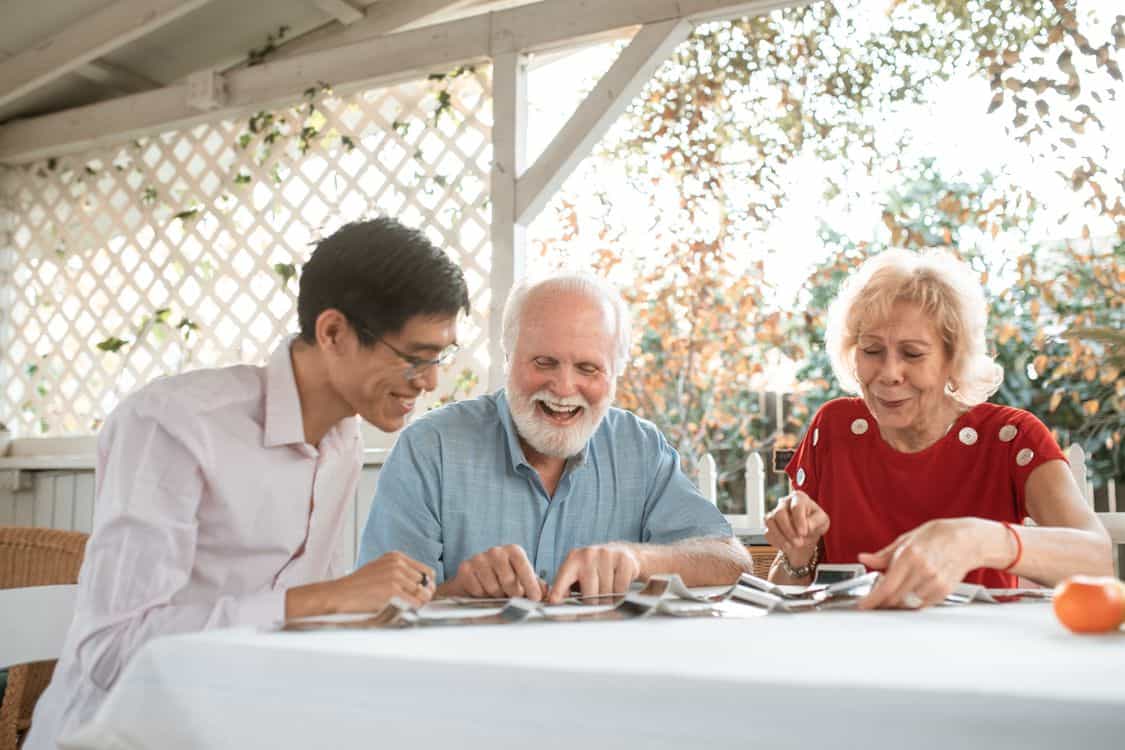
State plans can feel remote from a kitchen-table decision about an aging parent. But they shape the options that eventually reach families.
When a state declares that aging in place and coordinated support are priorities, it influences funding, policy, and the kinds of programs that get attention and investment over the following decade.
For San Diego families, that means the broad direction of travel favors the kind of home-based, team-coordinated care that lets older adults stay in their communities. The framework and the family’s instinct, to keep a loved one home, point the same way.
The tension, of course, is that policy momentum and on-the-ground capacity do not always move in lockstep, especially with a current freeze on new program applications in the state.
Aligning Family Plans With the State’s Direction
The useful takeaway is that families leaning toward coordinated, stay-at-home care are not swimming against the current. They are moving in the same direction the state has formally chosen.
That alignment is a reason to learn the specifics: what coordinated community care exists in San Diego, how eligibility works, and how it fits the broader push to help older adults age in place.
California has written down where it wants elder care to go. For families, the practical step is understanding which existing options already reflect that vision, so a loved one can benefit from it now rather than waiting for the blueprint to fully arrive.