

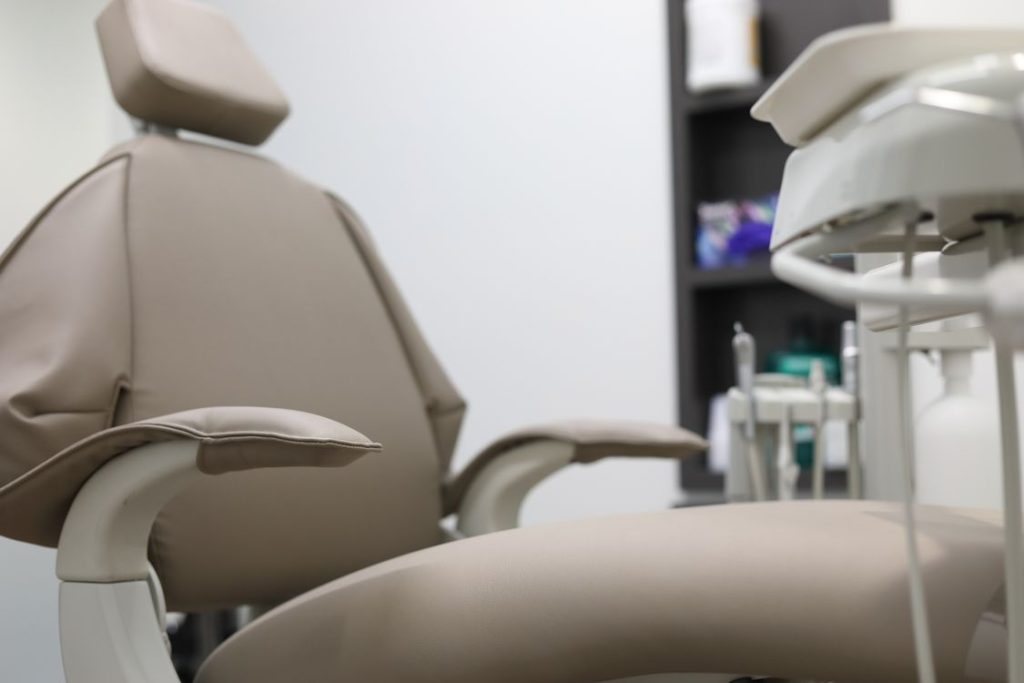
Tucked into a state listing of dental resources is a help-wanted notice that says more than it intends to. The City of Cincinnati has been looking for a full-time dentist to work in its Federally Qualified Health Center system, treating exactly the patients who have the hardest time finding care anywhere else. The posting describes the work as challenging and the mission as meaningful. What it does not say, but clearly implies, is that the position has been hard to fill.
An open public-sector dentist job in a major city is not a footnote. It is a symptom. It points to a workforce problem that sits underneath nearly every story about people landing in emergency rooms with toothaches, and it helps explain why urgent dental care in and around Cincinnati can be so maddeningly difficult to actually obtain.
A Shortage Hiding in Plain Sight
The federal government formally tracks places where there are not enough dentists to serve the population. These are called dental Health Professional Shortage Areas, and they exist to flag exactly the kind of gap that drives people to the wrong kind of care. Ohio’s own health department is blunt about the downstream effect: where residents cannot afford private dental care or cannot find dentists who accept their insurance, they turn to emergency departments for relief from dental pain, settings that are not built to deliver real dental treatment.
The state has leaned heavily on volunteer dentists to paper over the shortfall. Through Ohio’s long-running donated-care program, dentists have contributed more than $22.6 million in donated dental care to people who do not have insurance or Medicaid and cannot get into a safety-net clinic. That generosity is admirable. It is also a measure of how big the gap is. You do not need volunteers to donate tens of millions of dollars in care if the ordinary system is reaching everyone who needs it.
The unfilled Cincinnati position fits this picture. Safety-net clinics and public health centers are often the providers of last resort for low-income and uninsured patients. When those positions sit empty, the capacity they represent disappears, and the patients who would have been seen there have to go somewhere. There are only so many somewheres.
Why the Right Dentists Are Hard to Place
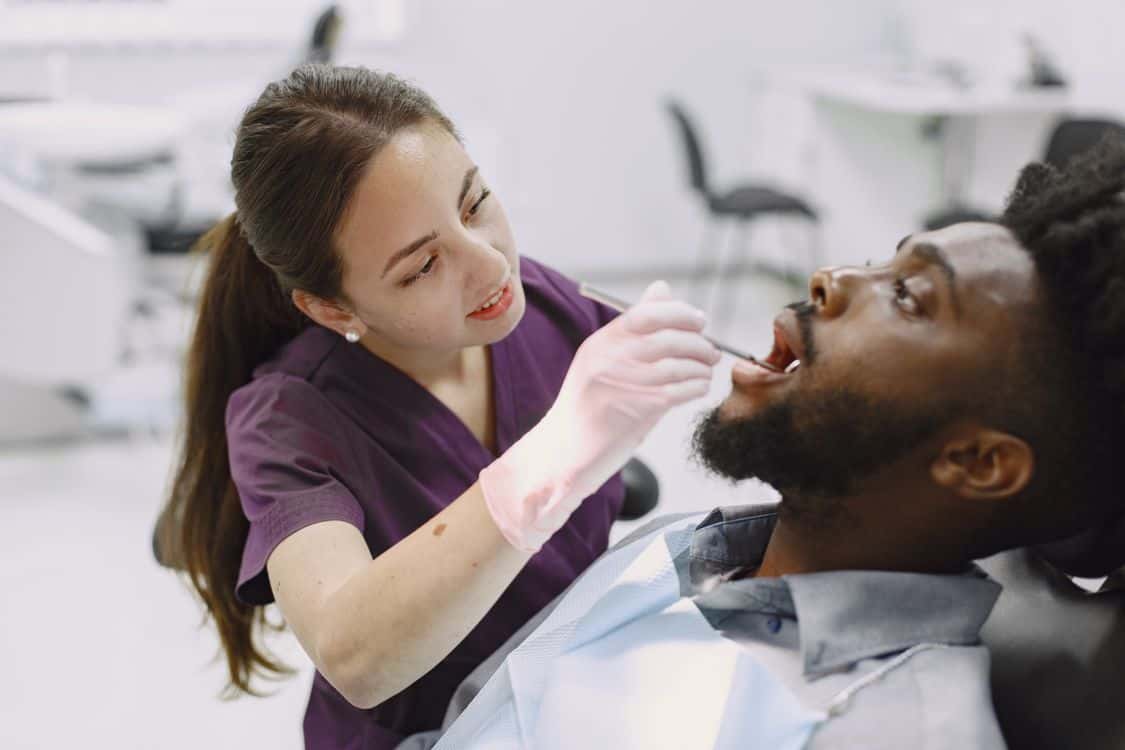
The shortage is not simply a matter of too few dentists graduating. It is a distribution problem layered on a compensation problem. New dentists carry significant educational debt, and private practice in a well-served suburb generally pays better than a public clinic serving Medicaid and uninsured patients. Loan-repayment incentives exist precisely to counteract this, but they do not always tip the scale, especially when a single clinic is competing against the broader job market.
There is also the nature of the work. Public and safety-net dentistry tends to involve more complex, neglected cases, because the patients arriving have often gone years without care. That is demanding work, and it asks for a particular kind of clinician. The Cincinnati posting practically says so, describing the ideal candidate as someone comfortable with challenging treatment plans, oral surgery, removable prosthetics, and pediatrics, and emphasizing patience and empathy. That is a tall order for a single hire, and it narrows the pool.
The consequence is a self-reinforcing squeeze. Fewer participating dentists means longer waits, which pushes more patients toward emergency care, which does nothing to expand the supply of actual dental treatment. The shortage does not just persist; it actively redirects demand into the least appropriate setting.
What This Does to Urgent Care
For someone with a sudden, severe dental problem, the workforce shortage is not an abstraction. It is the difference between getting treated and getting managed. When the participating providers are booked solid and the public clinics are short-staffed, an urgent dental problem cannot find a same-day home in the system that is supposed to handle it. The pain still demands action, so it gets routed to wherever the lights are on.
That is how a treatable infection ends up being handled with a prescription and a discharge instead of a procedure. The emergency department stabilizes the patient, but the tooth that caused the crisis remains untreated, which means the patient is likely to be back. Each loop through that cycle consumes resources and resolves nothing, all because there were not enough dentists positioned to catch the problem earlier.
The shortage is also bigger than any one city. Federal rules require a dental shortage area to clear a population-to-dentist ratio of at least 5,000 to 1 before it even qualifies for designation, and by the middle of 2026 federal workforce figures pointed to nearly 13,000 additional dental professionals needed to erase the shortage designations nationwide. Cincinnati’s single unfilled seat is one data point inside a national gap that loan-repayment programs and good intentions have not been able to close. Every unfilled position in a high-need area subtracts capacity from precisely the patients with the fewest fallback options.
Fixing the workforce side is slow, structural work: more loan repayment, better Medicaid economics, and a real pipeline of clinicians willing to serve underserved areas. In the meantime, the practical question for a Cincinnati resident in pain is narrower and more immediate. It is whether there is any dental provider who can actually see them quickly when the shortage has made the front door so hard to find. That an entire city has struggled to fill even one public dentist seat is a reminder of how pressing that question has become.