

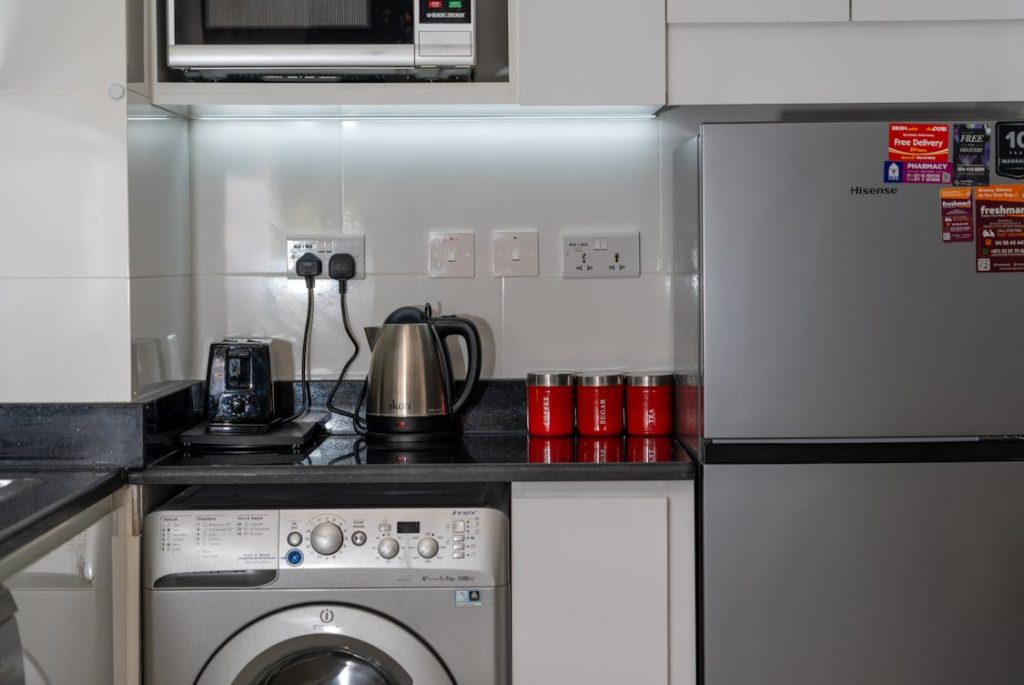
Heavy household circuits often get overloaded when many devices run at once. Lights flicker and breakers trip, and that can interrupt chores or spoil food.
Safe habits cut down overload risk and keep a home comfortable. Homeowners who learn simple checks and small upgrades will have steadier power and fewer surprises.
Assess Your Circuit Loads
Start by mapping which rooms and outlets connect to each breaker in the panel. Turn off all breakers then switch them on one at a time while someone watches which lights and outlets power up.
Note appliances with high draw like ovens, space heaters or window air units so you know where the big loads live. A simple chart with circuit names and major appliances saves time when you troubleshoot trips later.
Use a clamp meter or plug in kilowatt meter for a few hours to see real current and watt use under normal routines. These readings show whether a circuit runs near capacity during peak chores, not just idle moments.
If numbers often creep toward rated breaker values then trips are likely and action is logical. Keep a log for a week if patterns shift with weekday cooking or weekend laundry.
Spread Heavy Appliances Across Circuits
Avoid plugging many heavy items into outlets that share a single circuit. Laundry machines, space heaters and ovens all draw large currents and can pile on the load.
Move some tasks to a different circuit or schedule them at different times to balance demand. Staggering use means you will not slam one breaker with everything at once.
Small changes like moving a toaster to a kitchen counter outlet on another breaker can help a lot. In tight quarters rotate heavy chores so the washer runs when the oven rests or the air conditioner takes a break.
A routine like this often keeps peak current below critical limits without big upgrades. Apply the rule of thumb that continuous loads should stay under eighty percent of a circuit rating for safety and longevity.
Upgrade Wiring And Breakers
Homes with older wiring and small gauge cables are prime candidates for overloads when modern gadgets pile up. Upgrade from twelve gauge to ten gauge wiring in circuits that support heavy fixed loads if the panel can accept it.
Breaker technology has improved and modern units trip more reliably under nuisance surges. Replacing a tired breaker can stop soft trips that frustrate daily life more than a full rewire.
Have a licensed electrician evaluate ampacity and wire condition before any major swap, and get permits if local codes require them. Upgrading a circuit or adding a subpanel can relieve chronic overload points and keep rooms from sharing too much demand.
An inspector will know where to tighten connections and where neutral conductors need attention to prevent overheating. Spending on proper wiring pays back in fewer outages and a safer house.
Use Dedicated Circuits For High Draw Equipment
Major appliances like electric ranges and central air deserve their own circuits without other loads tacked on. A dedicated line isolates heavy draw so a toaster or lamp on the same feed cannot pull the whole kitchen down.
Install separate circuits for home offices with servers or for workshops with heavy motors to avoid surprise trips. When big devices run alone they get stable voltage and push less heat into wiring.
Electric vehicle chargers also benefit from their own high capacity circuit to protect the main panel. A dedicated route reduces stress on the rest of household electrics and lets the charger operate at full efficiency.
You should match cable and breaker ratings to the device load and follow manufacturer guidance for distance and ventilation. Planning the layout up front keeps modifications minimal when new appliances arrive.
Install Arc Fault And Ground Fault Protection
Arc fault circuit interrupters detect dangerous electrical arcs before they start a fire and are wise in sleeping areas and older wiring. Ground fault devices react to current leaks that can cause shock and are useful in wet areas like bathrooms and kitchens.
Modern panels accept breakers that mix both functions for layered protection without a clutter of gadgets. These devices add a safety net that trips at the first sign of trouble rather than waiting for a full overload.
Retrofit kits exist for older panels but check compatibility and breaker type to avoid mismatches that cause false trips. A licensed electrician will advise which circuits benefit most from arc or ground fault protection and can handle swaps safely.
Installing such protection often means fewer hidden faults and lower risk during long absences or heavy usage stretches. Think of that added layer as an early warning that keeps a small spark from turning into a serious event.
Employ Smart Power Management Devices
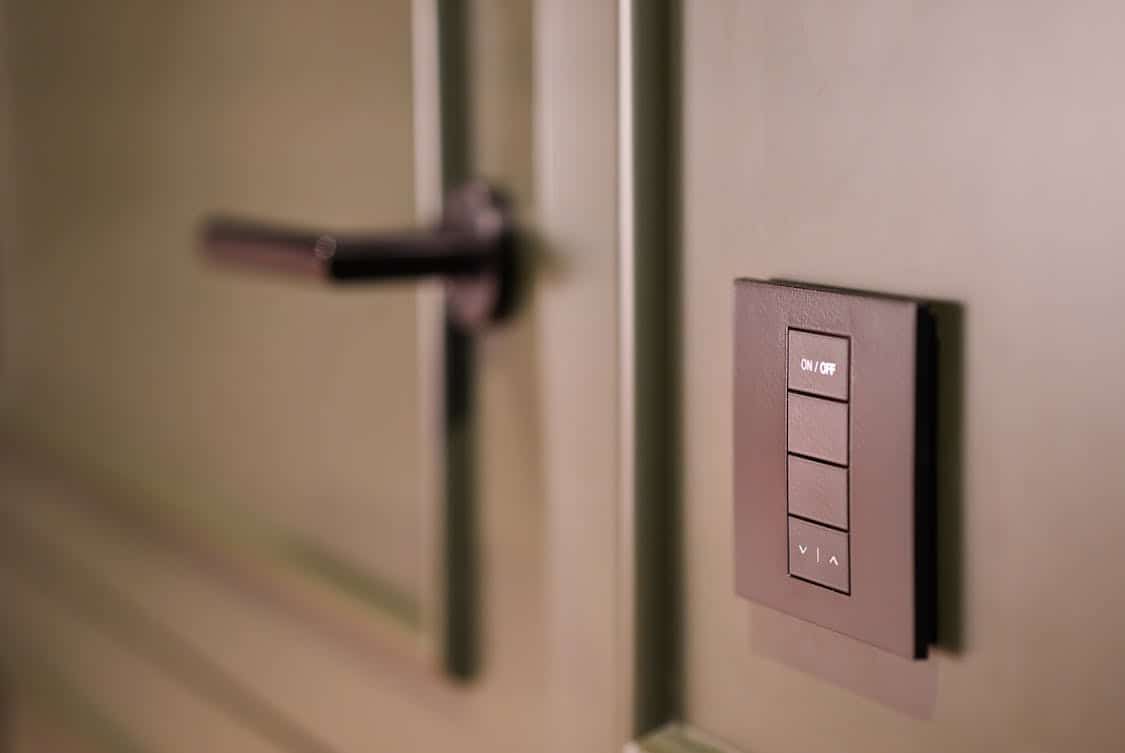
Smart plugs and energy monitors give visibility into which devices use the most juice and at what times they surge. Automated timers and load shedding modules can cut non essential loads when total current peaks and keep breakers happy.
Some panels include built in load management that reduces demand when the main line approaches limit. These tools let a homeowner react faster than guessing which plug did the deed.
Networked systems also enable alerts so you get notified if a circuit nears its threshold late at night. Apps can log consumption trends and suggest simple swaps that lower peak use without altering daily habits.
Be mindful of security and pick devices with firmware updates and solid vendor support to avoid weak spots. Small automation can shave peaks and give peace of mind while keeping the living room lights on during busy evenings.
Avoid Overuse Of Extension Cords And Power Strips
Extension cords and strips are temporary fixes not permanent wiring solutions and should not feed heavy continuous loads. Running a heater or washer through a thin cord invites heat buildup and trip hazards at the plug ends.
Daisy chaining several surge protectors raises resistance in the line and can trigger trips or worse failure. If a cord feels warm to the touch remove it from service until you fit a proper circuit.
Choose cords rated for the appliance and match length to the task to avoid wasted copper and voltage drop. Surge protectors are useful for electronics but they do not increase circuit capacity and should not be used for major appliances.
Keep cords out of walkways and away from under rugs where heat can accumulate unnoticed. A neat outlet layout and added permanent receptacles reduce temptation to rely on temporary wiring.
Schedule Regular Inspection And Maintenance
Periodic checks catch loose connections, corrosion and aged insulation before they turn into overload sources. Ask a qualified electrician to inspect panels and junction boxes every few years or sooner if you notice frequent trips.
A professional inspection not only prevents issues but also confirms you are ensuring your electrical work meets Australian standards.
Tighten panels, clean dust and verify labeling so future troubleshooting goes faster and safer. Preventative work often costs far less than replacing scorched wiring or restoring damaged devices after an event.
Watch for signs like warm switches, persistent smells or flickering that suggest a circuit is stressed and needs attention. Record any changes to your home like new appliances or renovations so your electrical plan evolves with space and usage.
Keep manuals for large equipment and update the circuit map after any rewiring or breaker change. A little upkeep adds up to fewer surprises, lower repair bills and a calmer household when power demand spikes.