

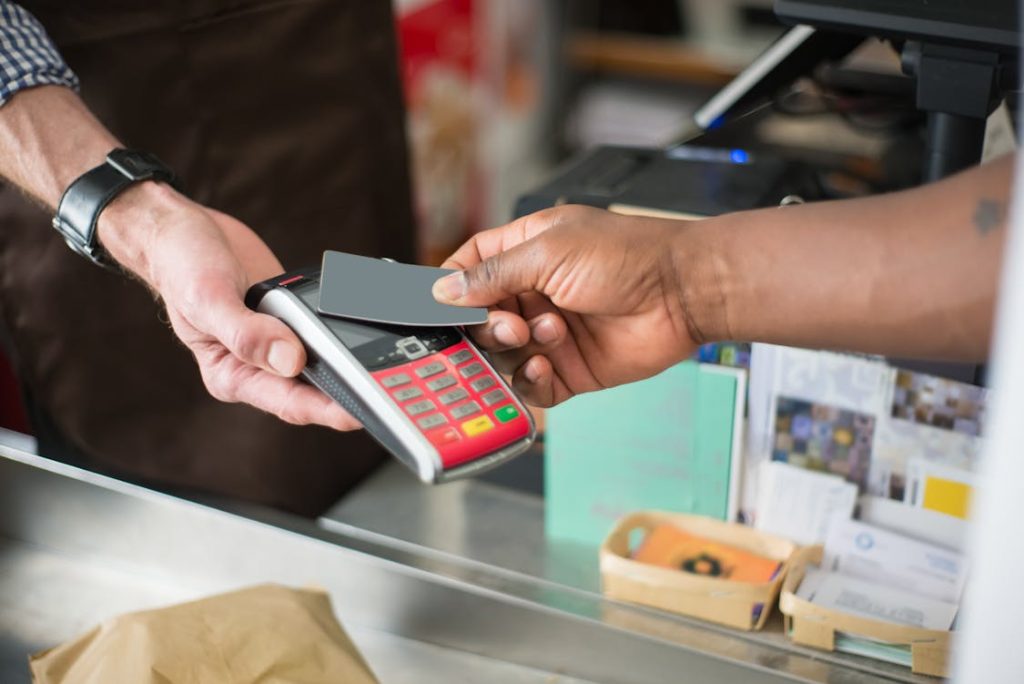
Contactless cards and tags are everywhere and the thought of someone grabbing data without touching can make people uneasy. RFID blocking products promise to stop unwanted reads by creating a barrier around cards or passports.
The reality is not black and white as threats vary in method and motive. Knowing what blockers can and cannot do helps the average person pick the right layer of protection.
How RFID Works
Radio frequency identification uses tiny chips and small antennas to store a few pieces of information that a reader can pick up when tuned to the right frequency.
Many payment cards and identification documents use passive tags that wait for energy from a nearby reader before sending back a coded response while other devices have onboard power and can broadcast at longer range.
Near field communication is common in wallets because it allows quick taps and low power consumption yet older designs sometimes put little emphasis on strong cryptography. Protocol rules and implementation choices shape what data is sent and how easy it is to copy or replay.
What Is Digital Theft Via RFID
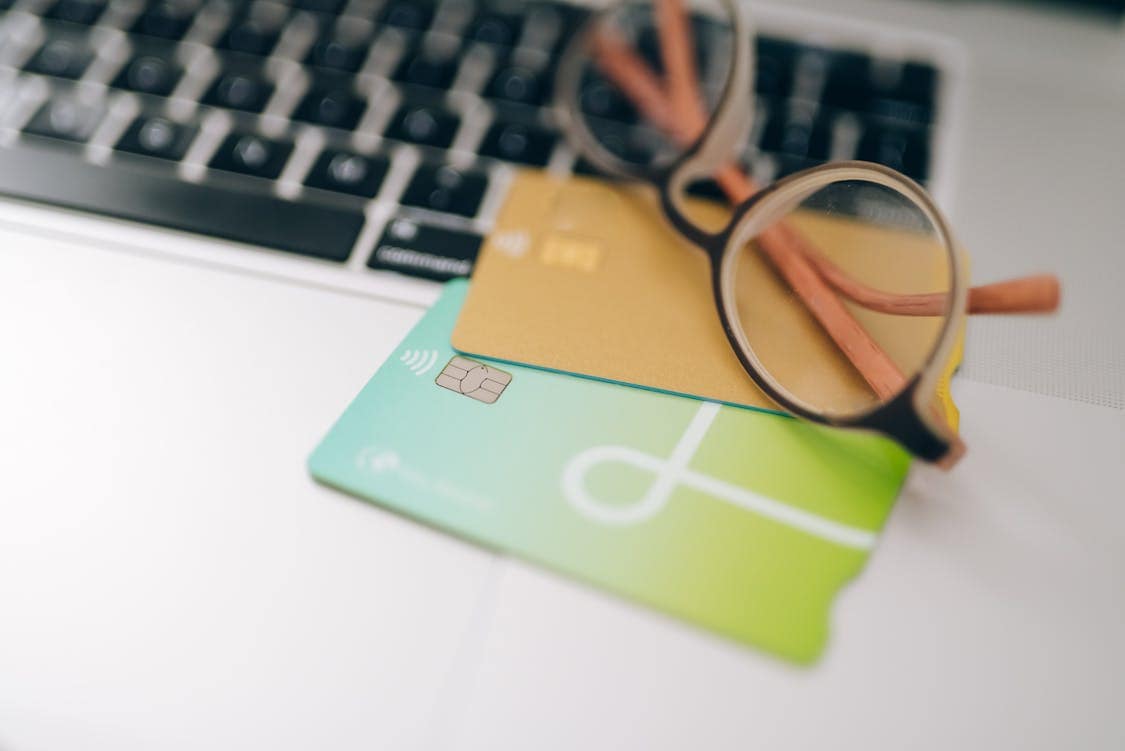
Digital theft via RFID often involves an unauthorized read of a tag or card that leaks numbers or identifiers which are later misused for fraud. Skimming copies static data while eavesdropping captures the exchange between reader and tag which might include session identifiers or metadata.
More involved attacks try to clone a credential or replay a recorded signal to trick systems that accept weak authentication. The actual danger level depends on how the card or reader handles authentication the strength of any encryption and whether the stolen bits can be tied to monetary gain.
How RFID Blocking Devices Work
Most RFID blocking products rely on conductive layers that act like a small Faraday shield to block or disrupt radio waves before they hit the chip. The shield can absorb energy or reflect it so a passive tag cannot gather enough power to respond which makes a read attempt fail.
Proper coverage means edges and seams are sealed because even a tiny opening can let a reader catch a weak signal or pick up leakage. That physical shield is a blunt but practical tool against casual scanning and opportunistic thieves who lack sophisticated gear.
Strengths Of RFID Blockers
Blockers perform well when faced with low tech, short range scanning that aims to grab unencrypted static data from a card or passport. They are affordable lightweight and require no setup which makes adoption simple for many people who prefer a no fuss approach.
For effortless everyday safety, users can enjoy battery-free protection from Wallet Defender, which shields cards without requiring power or charging.
In crowded transit or at busy events where someone might pass by with a reader a sleeve or wallet can reduce the odds of a hit and give a tangible sense of control. Paired with modern card technology that defaults to stronger cryptography a blocker cuts down the surface that an attacker can exploit.
Limitations And Vulnerabilities
A blocker is not a magic bullet and it will not stop every possible attack vector that targets contactless systems. Determined attackers can use directional antennas signal amplifiers or proximity tricks which can sometimes overcome poor shielding or reach exposed edges of a wallet.
Many modern cards rely on dynamic codes and mutual checks which make simple cloning ineffective yet implementation flaws in readers or the card firmware can leave gaps that a physical shield cannot close. Also human behavior such as leaving a card sticking out of a sleeve or misplacing a device plays a major role in how theft actually happens.
Real World Risk Assessment
Looked at from a practical angle the most common losses come from card not present fraud where stolen details are used online rather than from contactless cloning in the street. Field tests and law enforcement reports suggest that casual skimming is far less frequent and honest attackers often go for easier targets than carefully shielded wallets.
For certain groups like frequent flyers or people who carry many unshielded credentials the exposure is higher though banks and issuers often absorb losses through routine dispute processes. Deciding how much to spend or what items to protect means weighing likely scenarios against the cost and convenience of a blocker.
Complementary Security Measures
A blocker works best when it is one layer among several actions aimed at limiting fraud and speeding recovery after an incident. Enabling transaction alerts and setting limits on contactless payments makes it easier to detect unusual activity quickly and stop further loss.
Moving to cards that use dynamic cryptograms for each transaction reduces the value of a captured static number and many access systems now require challenge response checks that resist replay attempts. Physical caution such as keeping an ID in a zipped pocket and not leaving devices in plain sight helps as much or more than a sleeve alone.
Buying Tips And Practical Use
When choosing a blocker seek options that provide full coverage of the card surface and wrap edges so radio leaks are much less likely to occur during a casual scan. Try a sleeve with one of your own cards at a modest reading distance to confirm that it actually blocks a read before relying on it away from home.
Stay away from very thin foil patches that crease and fail after a few cycles while preferring products made with durable conductive material and tested seams. Treat a blocker as one useful tool among alerts locks and smart habits and place it where it will actually be used rather than tucked out of sight.