

Radiology information systems have moved from simple film tracking logs to rich electronic repositories that shape how images and reports travel through care networks. Early systems were about keeping records in order and freeing staff from paper piles, but the story soon grew more layered as software began to link scheduling, reporting and billing.
Over time those systems picked up features that support clinicians who need quick access to images and prior reports while juggling heavy caseloads. The arc of progress has had ripple effects across workflow, data use and patient interactions with imaging services.
Origins Of Radiology Information Systems
Early radiology record systems were born out of the need to manage film and appointment lists more reliably than handwritten charts. Those first efforts focused on logging exam types, patient identifiers and basic report text so that radiology departments could reduce lost studies and speed up clerical work.
As hospitals moved to electronic medical record systems, radiology systems adapted to share key items such as scheduling slots and report delivery status with other hospital modules. Over time the notion of a standalone log shifted toward an integrated store that links images, orders and communication threads.
Early Integration And Workflow Shifts
When radiology systems first connected to picture archives and hospital records the visible effect was smoother handoffs between reception, scheduling and reading rooms. Radiologists could pull up prior exams while dictating new impressions and clerical staff could confirm insurance and prep notes without toggling through paper charts.
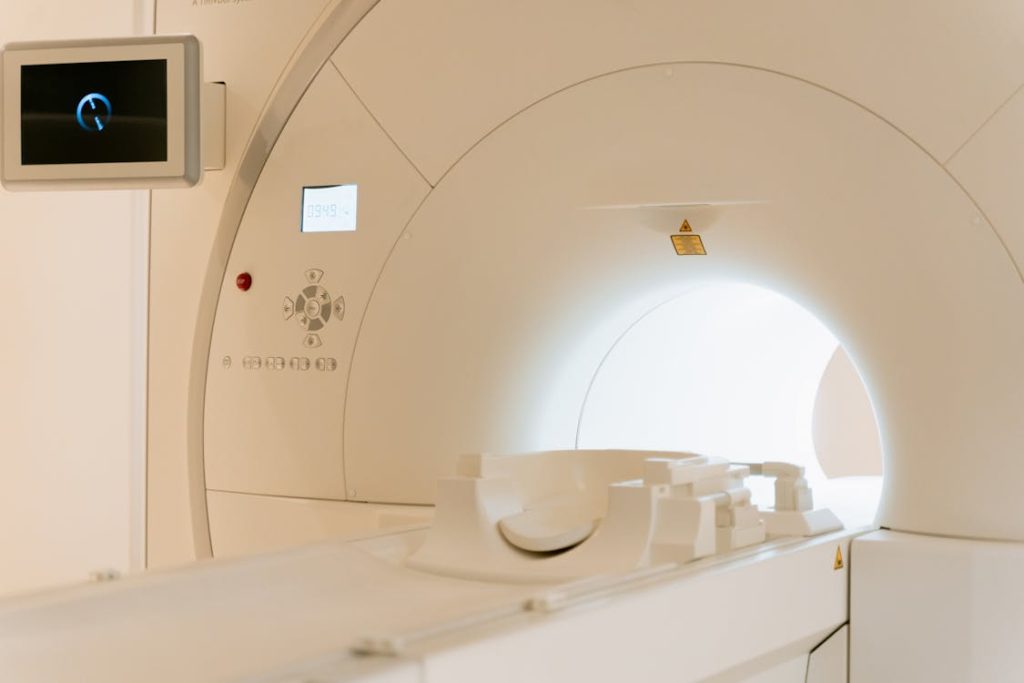
In many facilities, these interconnected systems gradually evolve into a modern hub for imaging operations, where scheduling, image access and reporting all converge within a single coordinated platform.
These changes cut turnaround time for reports and reduced repeat imaging that occurred when past exams were hard to find. The new flow freed up clinician time for more direct patient care and helped administrators trace bottlenecks with clearer timestamps.
Standards And Interoperability Progress
Adoption of common file formats and messaging protocols made a big difference in how pieces of the health ecosystem talk to each other about images and orders. Interoperability enabled systems from different vendors to exchange study metadata, reports and status updates so that a study ordered in one clinic could be read in another facility with minimal friction.
The push for standards also meant that third party analytics and reporting tools could sit on top of core systems without bespoke adapters for every pairing. With shared rules for data structure the frequency of lost context around imaging events fell and cross site collaboration became easier.
Clinical Decision Support And Diagnostics
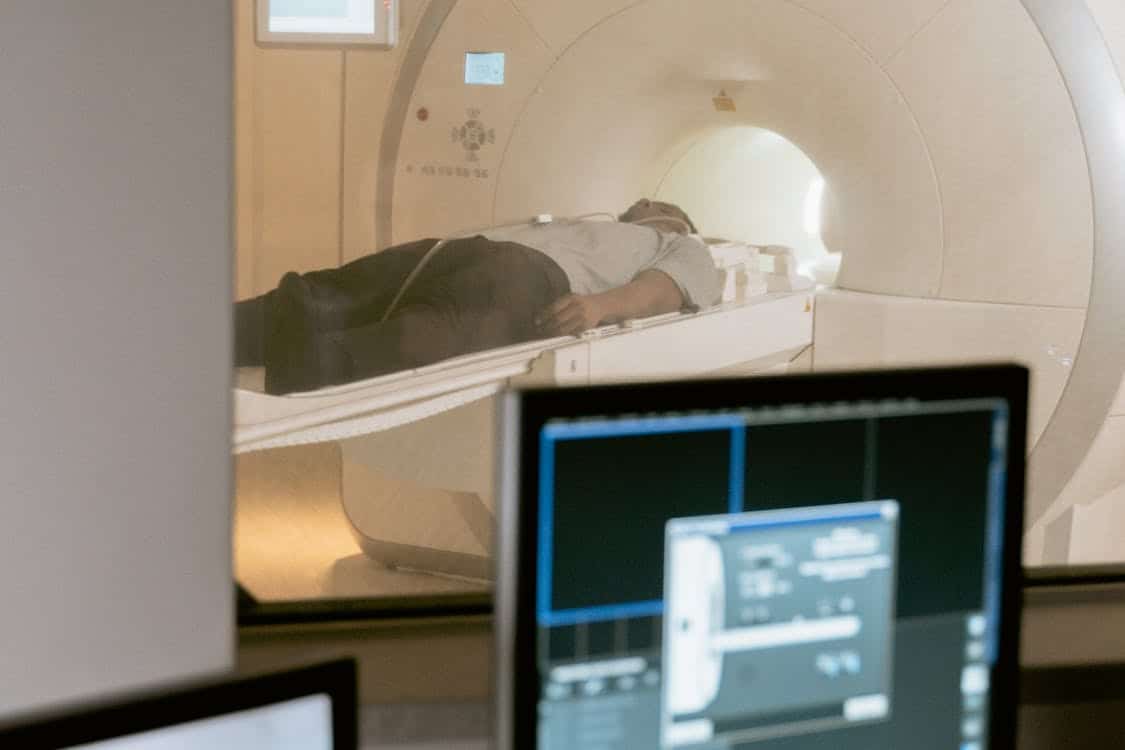
Modern radiology systems often include guidance to help clinicians choose the right exam and to flag findings that need prompt attention. Algorithms may suggest exam protocols, highlight prior relevant studies and surface comparators that speed pattern recognition for the reader.
Those aids can reduce unnecessary tests and may nudge reporting toward clearer, more actionable language that treating teams can use at the bedside or clinic. When a system nudges a reader toward a prior finding it can be the difference between repeating a test and making a timely diagnosis.
Operational Efficiency And Resource Use
Scheduling modules tied to imaging equipment calendars let departments balance throughput with maintenance needs and staff shifts more easily than paper ledgers ever could. Real time status updates on scanner availability and exam start times reduce idle periods and help technologists keep sessions moving.
Financial flows also become more transparent because charge capture and coding links to the exam record, reducing lost revenue from unbilled studies. Administrators gain levers to smooth peak periods and cut overtime without blind guesses about demand.
Patient Access And Communication Channels
As reports and images found their way into patient portals the experience for patients changed from waiting by phone to seeing results online when available. Having timely access can calm anxiety for many, though it also raises the need for clear report language and avenues to ask clinicians follow up questions.
Some sites pair portal delivery with brief plain language summaries or links to trusted patient information so the material is less cryptic to a lay reader. Greater transparency about scheduling and prep instructions also cuts missed appointments and makes pre exam preparation more consistent.
Data Analytics For Population Health
Aggregate records from radiology systems provide a rich pool for studying trends in imaging use, quality and outcomes across cohorts. Analysts can track how often particular findings appear in given age bands, how many exams lead to intervention and where variations in practice patterns occur.
Those data enable targeted quality projects that aim to reduce unwarranted variation and improve protocol consistency across sites. When imaging data are joined with other clinical records the result can inform screening programs and resource planning at a system level.
Privacy Security And Governance
With richer stores of imaging studies comes the responsibility to protect patient privacy and to keep access tightly controlled. Policies that assign role based permissions and audit logs limit who can see sensitive content and trace any unexpected access.
Encryption in motion and at rest, combined with routine risk assessment and staff training, reduces exposure to common threats and helps maintain public trust. Good governance also covers data retention rules and mechanisms for patients to request copies or corrections when records are inaccurate.
Barriers To Adoption And Staff Training
Even when functionality exists in a system it will not yield benefits if staff are not comfortable using it or if workflows fight the software rather than support it. Training that is ongoing and hands on helps technologists, radiologists and clerical staff adopt features that save time and cut errors.
Resistance may come when new steps are added without removing older ones or when bad defaults encourage workarounds that erode data quality. Leadership that listens to frontline teams and iterates on workflows tends to see higher uptake and more durable gains.
Future Directions In Imaging Management
Looking ahead radiology systems will continue to expand their role as hubs that connect imaging, analytics and patient engagement across care networks. Expect more modular services that allow institutions to plug in specialized tools for reporting templates, quality tracking and decision support while keeping a core record that ties everything together.
The balance will be between rich capability and ease of use so that clinicians are aided not burdened by extra clicks and screens. Innovations will come with fresh demands for governance and for thoughtful change management so that technical progress translates into better care on the ground.