

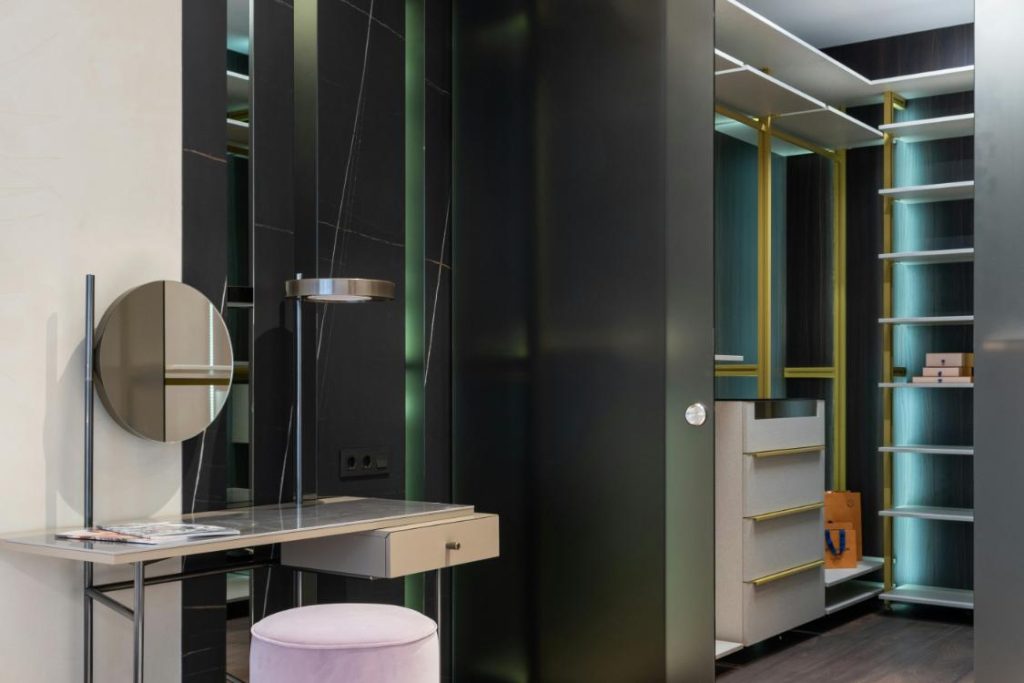
Small homes reward small acts of planning that add up to big changes in daily life. Thoughtful closet upgrades can reclaim floor area, cut the time spent hunting for clothes and give a tidy look that calms the whole room.
The ideas below are chosen for ease of installation and for the way they scale from studio flats to compact houses without heavy costs. A few careful choices will make a closet work harder while keeping your space feeling open and restful.
1. Install Adjustable Shelving
Adjustable shelving lets you change configurations as needs evolve, moving shelves up or down to hold sweaters, boxes or tall boots and turning wasted vertical gaps into useful real estate.
Systems that use slotted uprights and clip in shelves can be fitted with a basic drill and a level, or ordered as ready made kits that come with clear instructions and hardware.
If you want a door solution that matches this DIY spirit, simple-to-fit sliding closet doors can be a quick upgrade that saves space while still looking streamlined.
A flexible shelving plan helps prevent clutter from piling up on the floor, and makes seasonal swaps painless when you rotate garments. That flexibility often makes a closet fit like a glove and keeps everyday routines moving along without friction.
Basic kits and custom rail systems both work, and choosing between them depends on how permanent you want the solution and how much you plan to adjust later.
Adding a few labeled bins and drawer inserts to the mix helps keep small items contained and easy to find, which saves time when dressing and reduces the chance of odd single socks disappearing into a dark corner.
If solid wood shelves are preferred, a carpenter can cut and finish boards to slot into existing hardware for a neat, built in look that reads as intentional design rather than quick fix. In short, shelving that changes with you takes a tiny closet from tight and confusing to orderly and sensible.
2. Use Vertical Space Effectively
Taking storage upward is a reliable way to multiply capacity without enlarging the floor plan, and tall shelves that reach the ceiling harness the value that often sits unused above eye level.
Installing a second hanging rod increases garment density by allowing shirts and jackets to occupy one zone and trousers or dresses to use another, and vertical organizers for shoes and accessories keep items visible instead of shoved into a dark pile.
Narrow, deep shelves alongside a vertical rail for baskets provide compartments for linens, office supplies or hobby tools while preserving a slim profile that does not swallow useful cubic footage. The overall effect is to make the closet feel more like part of the room and less like a cramped box.
Hooks mounted high on the inside walls carry bags and hats without stealing depth, and an over door shelf or low profile rail can hold rarely used boxes where they are out of the way but still accessible.
A small folding step stool stored in a corner or behind a door allows you to reach the topmost shelf safely and keeps bulky items packed away until the season changes.
Picking storage that stacks or nests reduces visual noise and lets the eye travel up, which creates an impression of height even when square footage is modest. Little structural shifts like these add up to a big payoff in usable space and in everyday convenience.
3. Replace Hinged Doors With Sliding Doors Or Curtains
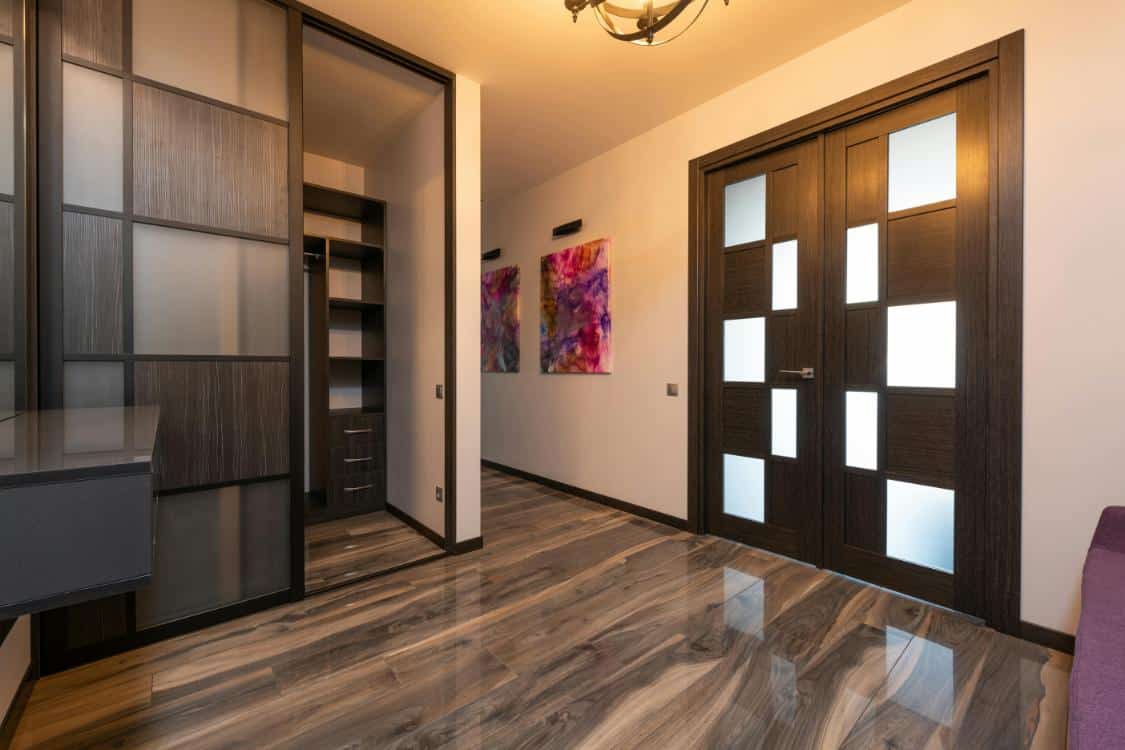
Standard hinged doors demand travel room to swing open and can block clear access to adjacent furniture, which is a particular problem in compact layouts where every inch counts.
Sliding doors glide along a track and reclaim that clearance, and they come in a variety of finishes so they can read as subtle architectural detail rather than an afterthought.
Curtains offer a softer, lower cost option that is quick to change when you want a new color or pattern, and a fabric panel can be drawn back in a heartbeat for full access during busy mornings.
Both sliding solutions and textile treatments help the closet feel integrated with the room instead of feeling like a closed off niche.
Mirrored sliding panels serve double duty by reflecting light and creating the illusion of a larger volume, which can be especially useful when a closet faces a window or a well lit corridor.
For those who avoid drilling into trim, tension rods for curtains provide a damage free alternative that still gives a tidy result, and modern tracks are often easy to install without specialized tools.
If you choose a curtain, a liner can protect shelves and keep dust away from garments while still adding a soft visual finish to the space. Thoughtful choice of a door system can make a small home breathe a little more freely and look polished at the same time.
4. Add Better Lighting And Mirror Techniques
Lighting changes perception more than most items you place in a tight space, and a well lit closet turns color matching from guesswork into a quick and accurate task that cuts morning stress.
Low profile LED strips attached under shelves and along vertical panels offer even, shadow free illumination and fit where bulky fixtures would be out of the question.
Battery powered puck lights and adhesive bars are handy if rewiring is off the table, and they can be repositioned as storage needs shift, giving you a flexible glow that adapts to life moments.
Layering soft light with a few reflective surfaces makes a small closet feel friendlier and more functional than an unlit void.
A full length mirror mounted inside or on the back of a sliding door provides a fast outfit check and eliminates the need for freestanding furniture that takes space in the room proper. Placing a mirror to catch natural light and send it back into the room creates a noticeable lift in perceived brightness and width, which helps everything look fresher and cleaner.
Choosing bulbs with a warm but clear color temperature keeps skin tones flattering and avoids the washed out feel that some lights produce. In practice, adding light plus reflection is a classic trick that delivers big results for very little square footage.
5. Choose Multipurpose Organizers And Containers
Multipurpose organizers combine roles so a single shelf can hold folded garments, craft supplies and seasonal decor without looking jumbled, and that kind of multiple use thinking is a win for small homes.
Drawer organizers, clear plastic boxes and stackable cubes tame small items and simplify the task of locating a pair of socks or an accessory in the morning rush.
Uniform containers reduce visual clutter by creating an orderly grid that the eye interprets as calm, and portable baskets can be moved from closet to dressing area for quick sorting. Well chosen organizers let the space work harder while keeping it clean and accessible.
Rotating seasonal pieces to the highest or lowest shelves keeps day to day items within arm reach and moves bulky winter bedding out of the way until cold weather returns.
Vacuum compression bags are a compact solution for bulky pillows and duvets and free shelf space without a complicated install.
Using clear fronts or simple labels makes retrieval faster and keeps the closet running like a neat little shop where every item has a place. These small moves often hit the nail on the head when the aim is to make a modest closet feel reliable, orderly and ready for the day.