


Routine medical expenses for pets can add up quickly, yet a smart plan at the outset changes the math. Choosing the right pet health care plan can make a noticeable difference to both short-term treatment and long-term outcomes.
These plans are designed to support ongoing health management rather than one-off visits, often covering consultations, boosters, dental checks, and wellness exams. By spreading costs across the year, pet owners are more likely to attend regular appointments instead of delaying care.
A pet health care plan also helps vets track patterns over time, identifying risks before they become serious. This consistent monitoring supports better quality of life, especially for ageing pets or breeds prone to specific conditions.
1. Preventive Health Lowers Long Term Costs
Regular wellness exams create a rhythm of care that catches minor concerns before they grow into major problems. When a veterinarian spots an early warning sign, treatment can be less invasive and less costly than what would be needed if the issue was allowed to progress.
A plan that covers routine checks and basic lab work nudges owners into adherence; the habit of regular visits builds a safety net. An ounce of prevention can truly be worth a pound of cure when it keeps pets out of operating rooms.
Wellness programs also create documented baselines for each animal and that pays off later. Having prior records helps vets interpret new symptoms quickly and reduces the need for redundant tests, which trims bills.
Owners enrolled in programs often get access to screening that would otherwise be added on at a higher price. That combination of early action and lower incremental costs leads to measurable savings over a pet s lifetime.
2. Early Detection Cuts Major Treatment Bills
When conditions are identified early the range of choices for less costly care grows wider. Detecting a tumor or an organ issue at an early stage might mean medication or a limited procedure instead of a lengthy surgery with prolonged recovery.
Routine blood panels and imaging included in plans can reveal trends that an isolated visit might miss, allowing for interventions that preserve quality of life and reduce future costs. Timely management also reduces the odds of emergency admissions that carry steep fees and emotional stress.
Plans often standardize follow up and monitoring which keeps problems from slipping through the cracks. That steady monitoring reduces the chances that a treatable problem becomes a crisis that demands advanced imaging and specialist care.
Owners report fewer high dollar surprises when their animals have had consistent preventive testing and clear channels for prompt attention. This approach aligns incentives for early action and avoids the heavy price tag that comes with delayed treatment.
3. Vaccination And Parasite Control Reduce Emergencies
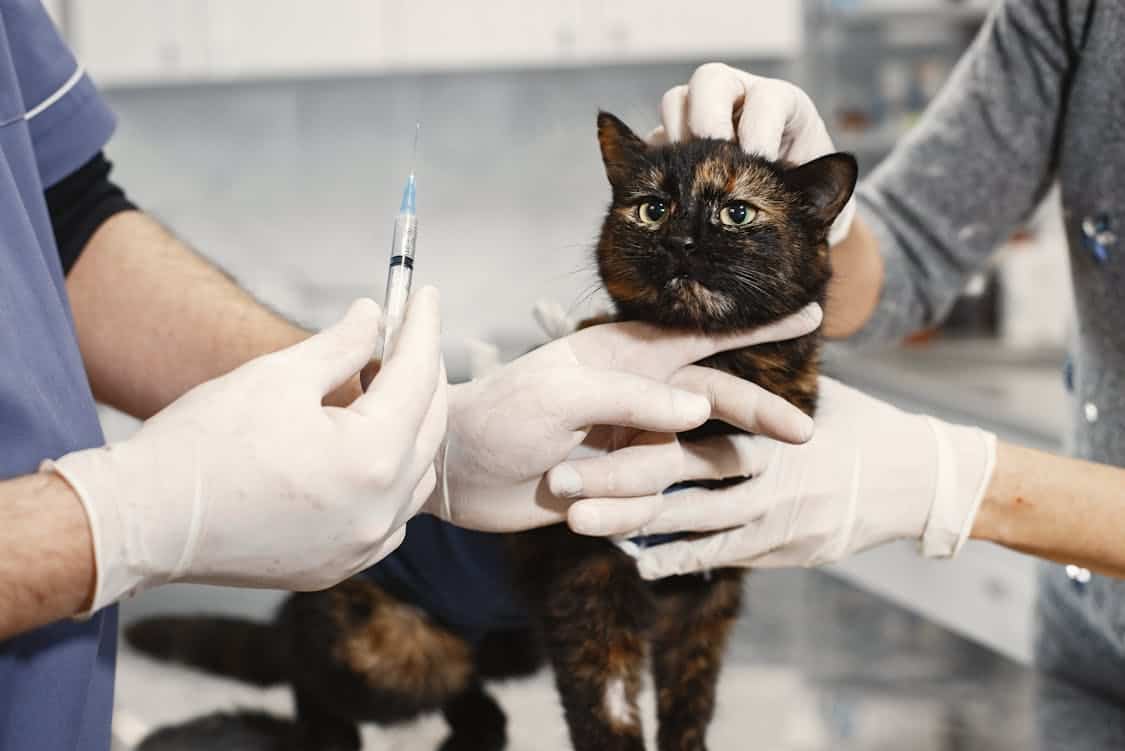
Keeping vaccines current and parasites under control prevents illnesses that can land an animal in urgent care. Many common conditions, such as severe intestinal parasite loads or vaccine preventable diseases, are much cheaper to prevent than to treat.
Plans that bundle these measures remove friction around scheduling and payment, making the routine steps a normal part of pet life. That steady pace of protection reduces both health risk and the chance of a sudden, costly intervention.
Parasite prevention is a strong example of low cost actions preventing expensive outcomes. A few months of preventive medication can avert infestations that lead to weight loss, anemia or organ compromise that require prolonged treatment.
Vaccination schedules cut the likelihood of infectious disease that can require hospitalization and intensive nursing. Owners who keep up with these basics often avoid the type of emergency that would otherwise strain funds and nerves.
4. Routine Dental Care Saves Teeth And Cash
Oral disease rarely stays confined to the mouth and the ripple effects can be expensive to treat. Regular dental cleanings and basic periodontal care stop chronic infection that damages teeth and spreads bacteria to other organs.
When plans include dental exams and scaling, owners face fewer emergency extractions and less need for long courses of antibiotics, both of which add up. Preventing severe dental disease keeps pets comfortable and limits the chance of systemic problems that carry higher costs.
Good dental care also shortens recovery time when procedures are needed and reduces repeat visits that drive up bills. An early polish and targeted treatment may spare a tooth that otherwise would require extraction and follow up care.
For older animals, dental maintenance can slow the decline in health that brings additional diagnostic work. In practice, keeping the mouth healthy often proves to be one of the most cost effective ways to preserve overall well being.
5. Predictable Costs And Smoother Cash Flow Reduce Stress
A plan with a clear monthly payment creates predictability and removes the shock of a large one time bill. When owners know what to expect they are more likely to keep appointments and finish recommended care rather than defer treatment until a problem worsens.
That steady approach spreads expenses and reduces the temptation to delay or skip care that would be cheaper in the long run. Predictable budgeting makes it easier to prioritize care rather than postpone decisions.
Many providers include discounts for bundled services which shrinks the cumulative cost compared with paying à la carte for each visit. A regular commitment encourages dialogue between owner and clinician, which often leads to tailored strategies that require less intensive intervention.
That steady relationship promotes early fixes and practical regimens that preserve health without breaking the bank. In the end, a gentle financial rhythm and regular care produce both lower lifetime costs and greater peace of mind for people and their pets.